Agent Governance
Practical guidance for managing AI agent autonomy, approvals, permissions, audit trails, rollback, and human accountability.
AI agents create a new governance problem.
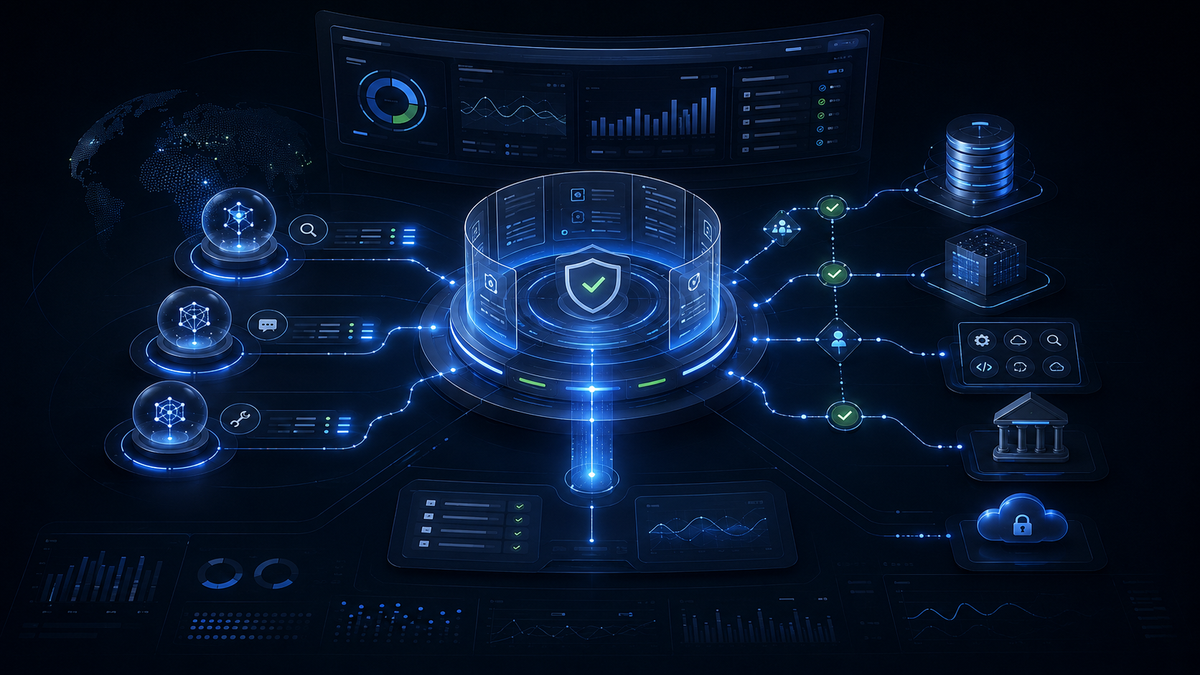
They do not just generate content. They can retrieve information, make recommendations, route work, call tools, update systems, and coordinate workflows.
That means leaders need a practical model for autonomy.
The governance question
The question is not simply:
Can the agent do the task?
The better question is:
Under what conditions should the agent be allowed to act?
That requires clear answers to ownership, identity, permissions, evidence, approvals, and accountability.
Five levels of agent autonomy
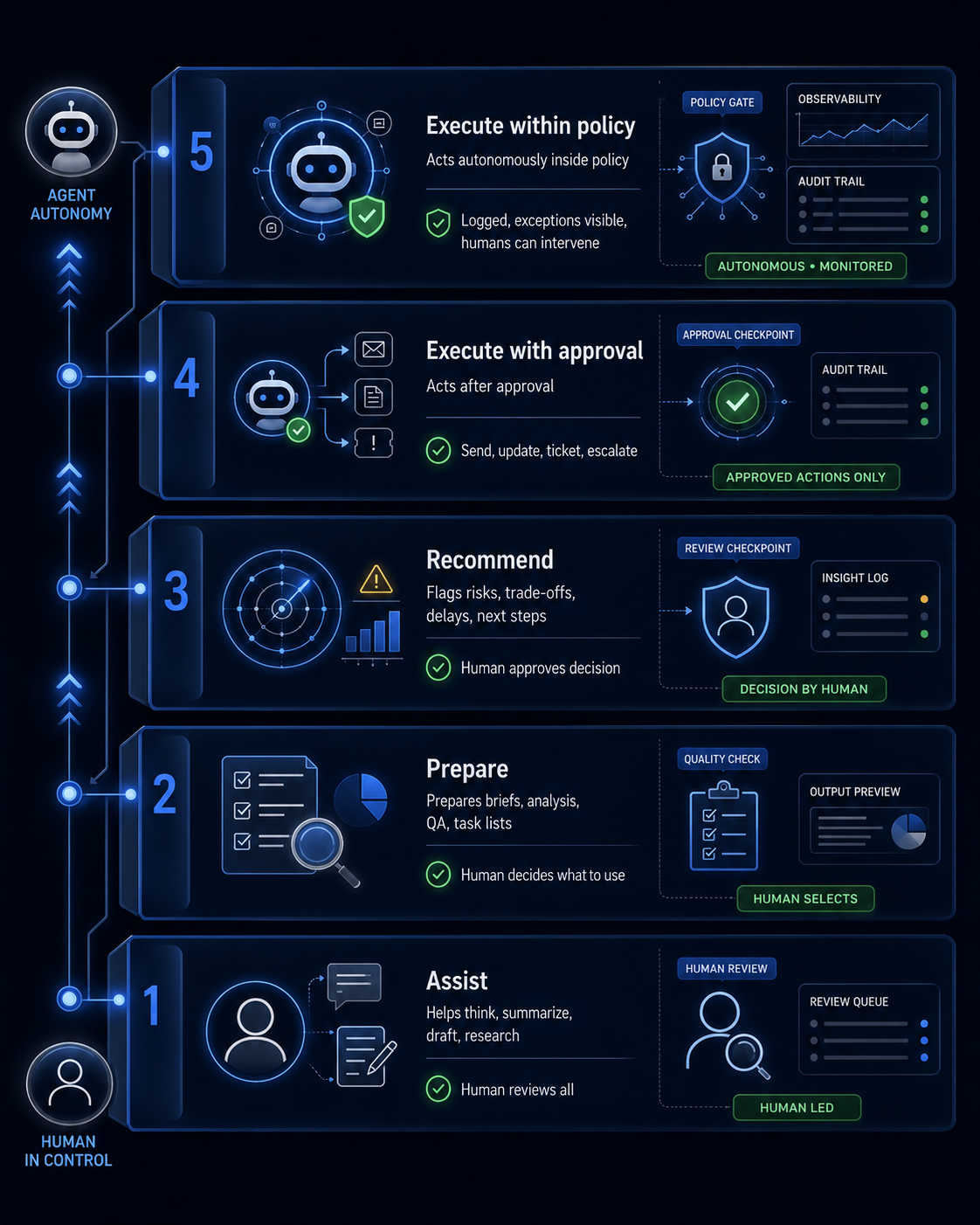
Level 1: Assist
The agent helps a human think, summarize, draft, research, or compare options. The human reviews everything before it goes anywhere.
Level 2: Prepare
The agent prepares work in the background: briefs, analysis, task lists, QA notes, or recommended actions. The human decides what to use.
Level 3: Recommend
The agent monitors a workflow and recommends action. It can flag risks, suggest trade-offs, identify delays, or propose next steps. The human approves the decision.
Level 4: Execute with approval
The agent can take action after a human approves: send a message, update a system, create a ticket, change a status, launch a workflow, or escalate an issue.
Level 5: Execute within policy
The agent can act without case-by-case approval, but only inside a narrow, predefined policy boundary. The system must log what happened, expose exceptions, and give humans a way to intervene.
The leadership principle
Autonomy should be earned.
Start with assistance and preparation. Move toward recommendation and execution only when the system has evidence of quality, observability, approval discipline, and rollback paths.
Governance checklist
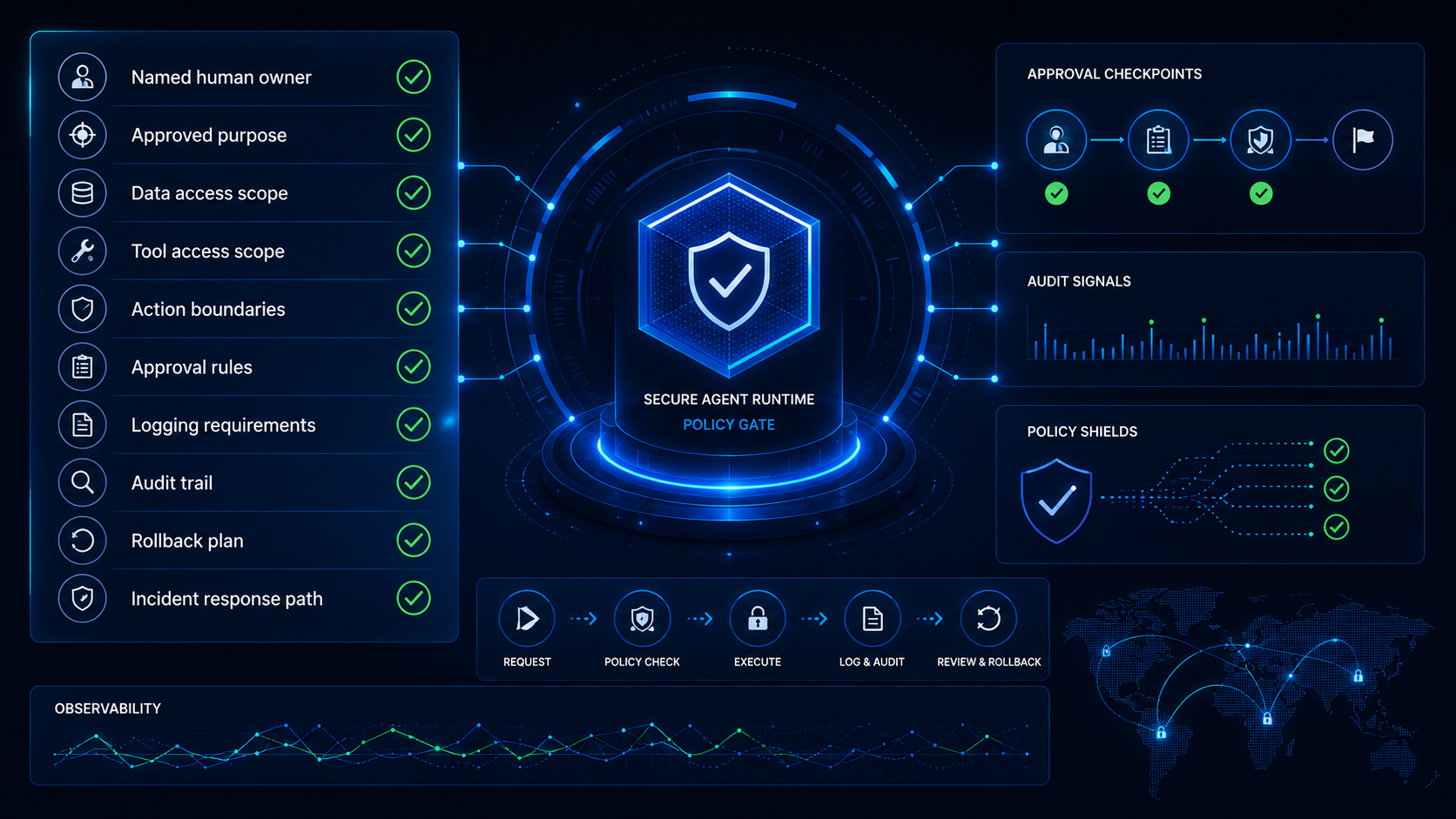
Every agent should have:
- named human owner;
- approved purpose;
- data access scope;
- tool access scope;
- action boundaries;
- approval rules;
- logging requirements;
- audit trail;
- rollback plan;
- incident response path.
Subscribe
Subscribe to Control Plane Insider for practical frameworks on AI agent governance, enterprise control planes, and AI-native operating models.